Optimising Care for Severe Head Injury Presenting to the Emergency Department
- Dr. Ogechi Nzeoma — MBBS, Diploma in Geriatrics, Diploma in Mental Health, Mental and Social Health Services and Allied Professions, ICU & Emergency Medicine Registrar, Tathleeth General Hospital, KSA.
Neurology
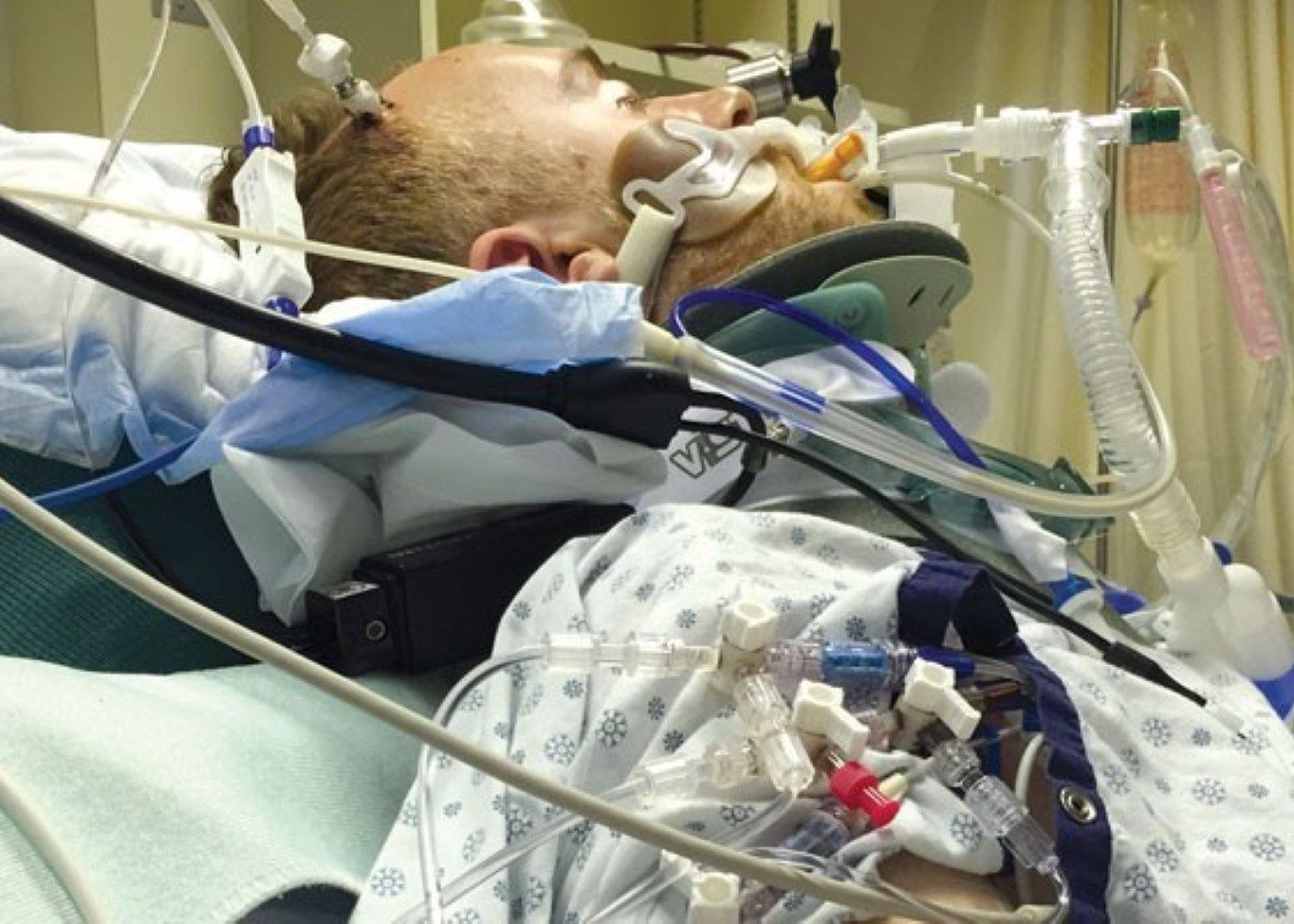
Severe head injury is a major cause of mortality and disability, requiring rapid, structured management in the emergency department (ED) to prevent secondary brain injury. Optimal care begins with airway protection, cervical spine stabilisation, and maintenance of oxygenation and perfusion. Early neurological assessment using the Glasgow Coma Scale (GCS) and prompt neuroimaging (CT scan) is critical for diagnosis and surgical decision-making. Management focuses on controlling intracranial pressure (ICP), maintaining cerebral perfusion pressure (CPP), and preventing complications such as hypotension and hypoxia. A multidisciplinary trauma team approach, adherence to Advanced Trauma Life Support (ATLS) principles, and timely neurosurgical intervention are key to optimising outcomes in patients with severe traumatic brain injury.