Anterior and Anterolateral Approaches to the Cranial Base
- Dr. Moataz Abouammo — Attending Physician of Otolaryngology - Head and Neck Surgery Faculty of Medicine, Tanta University, Associate Researcher, The Ohio State University Wexner Medical Center, United States.
ENT
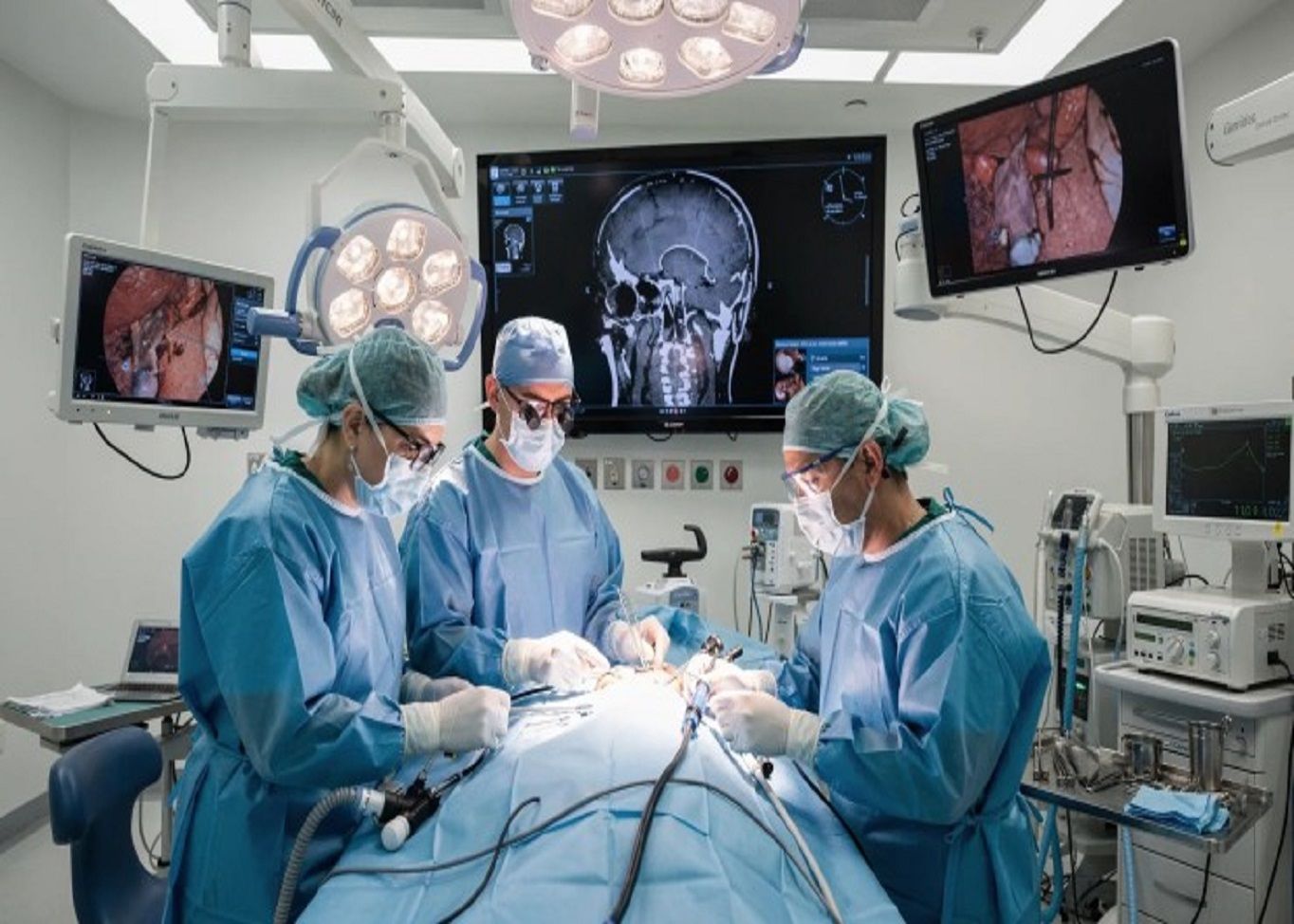
Anterior and anterolateral surgical approaches to the cranial base provide access to lesions involving the anterior skull base, parasellar region, clivus, and upper cervical spine. Anterior approaches, including transnasal, transoral, and subfrontal routes, offer direct midline access with minimal brain retraction, ideal for tumors, congenital anomalies, and inflammatory or vascular lesions. Anterolateral approaches, such as pterional, orbitozygomatic, and extended frontotemporal routes, enable wider exposure while preserving critical neurovascular structures. Selection of the approach is guided by lesion location, size, and pathology. These techniques prioritize anatomical precision, reduced morbidity, and tailored surgical corridors, representing essential strategies in modern cranial base surgery for safe and effective lesion management.